Mental Health and Genetics: Exploring Family Connections
When it comes to understanding the factors that shape our emotional well-being, one of the most fascinating and complex areas of research is the relationship between mental health and genetics. While lifestyle, environment, and personal choices all play a role in our overall mental wellness, family history often provides insight into why certain conditions may appear in one generation and resurface in another. By exploring this connection, we gain a deeper appreciation of how genetic influences and lived experiences intersect to shape mental health outcomes.
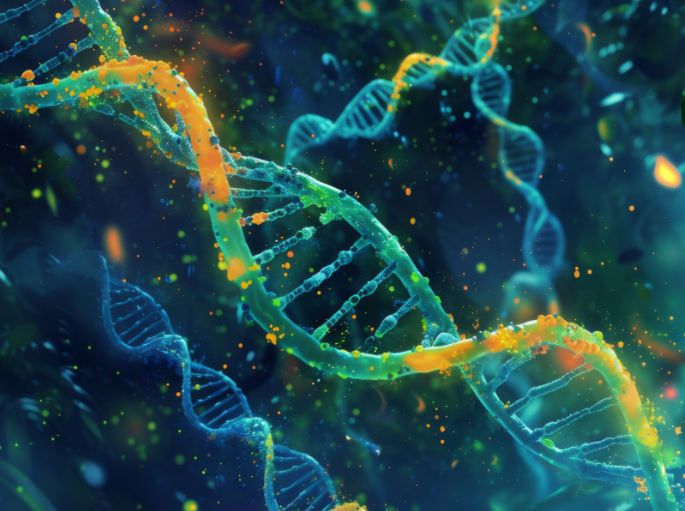
The Role of Genetics in Mental Health
Mental health and genetics are closely linked, with studies showing that conditions such as depression, anxiety disorders, bipolar disorder, and schizophrenia often run in families. This does not mean that if a parent or grandparent has a mental health condition, it is guaranteed that future generations will also develop the same issue. Instead, genetics creates a predisposition, making some individuals more vulnerable to certain disorders than others.
Genes influence how our brains function, from the regulation of neurotransmitters like serotonin and dopamine to how we respond to stress. When combined with external triggers such as trauma, chronic stress, or substance use, genetic vulnerability can lead to the development of a mental health disorder. Researchers continue to study specific gene variations that may increase risks, but it’s clear that family history can provide important clues for prevention and early intervention.
Environment and Family Dynamics
While genetics lay the foundation, the environment plays an equally important role in mental health. Growing up in a supportive and nurturing family environment can help mitigate genetic vulnerabilities. Conversely, exposure to neglect, abuse, or unstable conditions may increase the likelihood of mental health challenges, especially for those with genetic predispositions.
Family dynamics often serve as both a buffer and a stressor. For example, children raised in environments where open communication, healthy coping strategies, and emotional support are encouraged often develop stronger resilience, even if there is a family history of mental illness. On the other hand, families with patterns of unresolved trauma or unhealthy behaviors may unintentionally reinforce vulnerabilities that stem from genetics.
Breaking the Stigma Through Knowledge
One of the most empowering aspects of learning about the relationship between mental health and genetics is the ability to break down stigma. Too often, people blame themselves or others for conditions that are, in part, inherited. By recognizing that genetic predispositions exist, families can approach mental health with compassion rather than shame.
Dr. Lipp emphasizes that acknowledging family connections in mental health is not about assigning blame but about building awareness. When individuals understand their family history, they are better equipped to take proactive steps such as regular mental health check-ins, therapy, or stress management practices. This knowledge allows families to create healthier environments where seeking support is normalized and encouraged.
The Importance of Early Intervention
Another critical lesson from studying mental health and genetics is the value of early intervention. If mental health conditions are identified and addressed early, individuals often have better long-term outcomes. Knowing that a condition like depression or bipolar disorder may run in the family can encourage individuals to seek help sooner rather than later when symptoms arise.
Early interventions may include therapy, lifestyle modifications such as increased physical activity and a healthier, balanced diet, along with medication in some cases. Preventive strategies, such as mindfulness, journaling, and stress reduction, can also make a meaningful difference. Families who openly discuss their mental health history with healthcare professionals create opportunities for earlier, more effective care.

The Future of Genetic Research in Mental Health
Advancements in genetic research continue to provide exciting possibilities for understanding the interplay between mental health and genetics. Scientists are working to identify specific biomarkers that can predict risks more accurately, which may one day enable personalized treatment plans tailored to an individual’s unique genetic makeup.
For now, the combination of family awareness, environmental support, and proactive care remains the most powerful tool for addressing inherited mental health challenges. As research advances, families and clinicians alike will gain new insights into how to support individuals at every stage of life more effectively.
Moving Forward With Mental Health and Genetics in Mind
Exploring the relationship between mental health and genetics provides a valuable perspective for individuals and families alike. By understanding how inherited traits intersect with lived experiences, we can make more informed choices about self-care, family communication, and seeking professional support. Dr. Lipp believes that mental health journeys are not defined solely by genetics, but rather by the resilience and actions taken to nurture well-being.
As families continue to learn more about their histories and as research progresses, the hope is that conversations about mental health will become more open, compassionate, and proactive. Recognizing the interplay between genetics and environment enables us to better help one another in achieving healthier, more balanced lives.